A curator’s diary: preparing for a major quilt loan exhibition
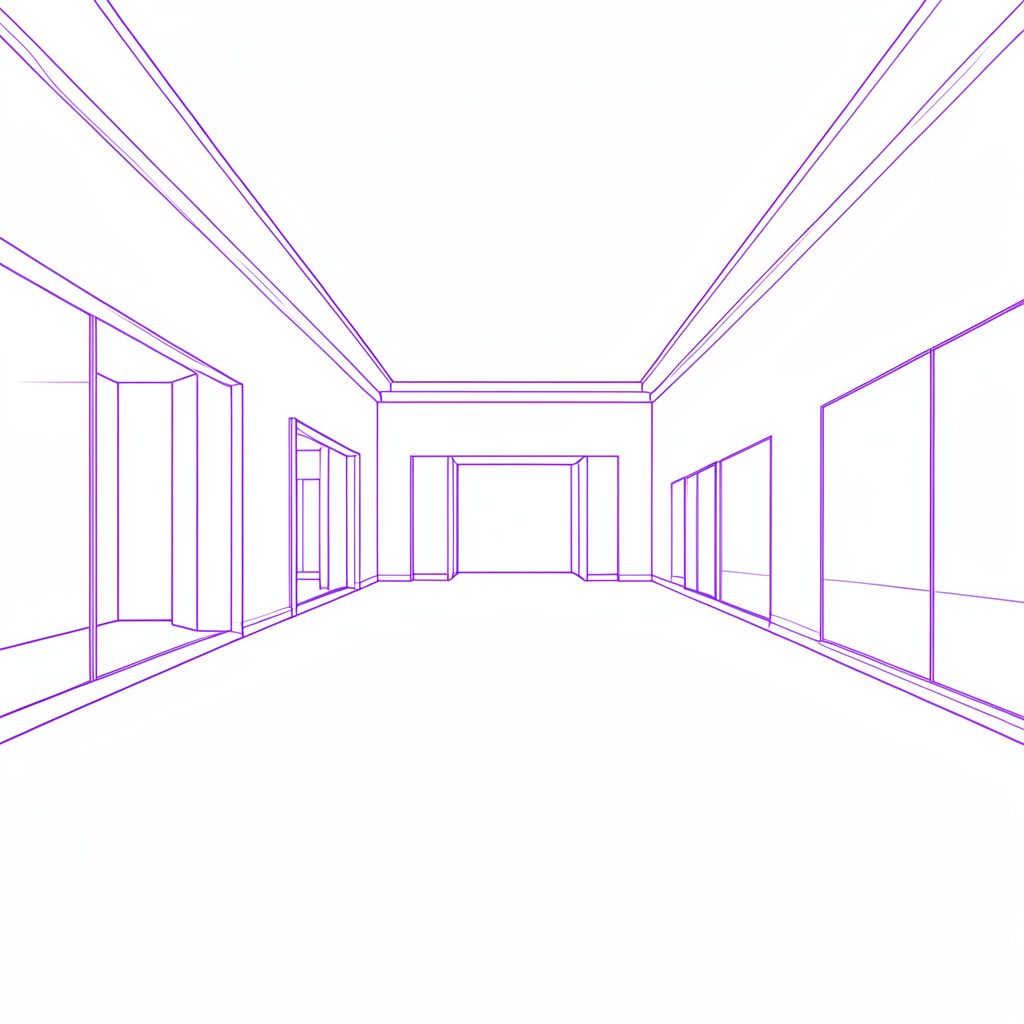
Three hundred and twelve days before opening, I photographed four empty gallery walls and wrote one line in my diary: nothing here is empty, yet. Threads in Transit, our major quilt loan exhibition, brings together borrowed works from private collectors, historic houses, regional museums and contemporary Australian makers. Each piece will travel, change hands and enter a new story before it reaches the public.
My diary records the decisions, including disagreements and surprises that never fit in a press release. It also reminds me that a loan is temporary trust: lenders must know when the work returns, while visitors should feel the quilt has always belonged in the room.
The empty galleries start talking
Six months out, the galleries are timber, tape and measured rectangles. We mark where cases will stand, but the real design begins with questions: Is the quilt stable? Has it been folded in the same way for years? Can its frame travel without stressing the mount? A condition report shared at pickup may reveal risks missing from a photograph taken three months earlier.
A loan agreement settles more than dates and insurance. It records ownership, image rights, conservation costs and what happens if a flight is cancelled. Valuations support the insurance arrangement, though a market figure cannot tell us what a stitch means to the family that kept the quilt.
My weekly lists include emergency contacts, alternate couriers and approved packing studios. We decide whether each textile can be folded, rolled or shipped flat, then build its travel frame around the safest method. A large coverlet needs a custom crate; a small child’s quilt may travel in a rigid cabin case.
Provenance belongs in the label
Provenance is more than a list of owners. It is the chain of making, use, alteration and care. One nineteenth-century coverlet may have begun as household bedding, while another was made for a public raffle. Research can recover a maker’s name, a fair, a migration route or a story carried across generations.
We treat those stories as research, not decoration. Where descendants or community groups hold relevant knowledge, we invite comment and record uncertainty rather than smoothing it away. Labels identify quilt makers and the people who enabled the work, while making clear when a date or attribution remains provisional.
Because the tour includes Melbourne, counsel checked temporary admission under the Customs Act 1901, country-of-origin rules and which loans were entering or leaving Australia. Federal heritage-protection law, including the Aboriginal and Torres Strait Islander Heritage Protection Act 2024, and Indigenous Cultural and Intellectual Property protocols were also reviewed. Concerns about restricted cultural material pause the process until appropriate handling and display can be agreed with the lender, museum and relevant community representatives.
Weather, light and the travelling quilt
Melbourne’s changeable weather complicates preparation for a venue in a converted brick warehouse or older civic building. A mild morning can become a hot, dry afternoon, creating sharp differences between loading bays and air-conditioned rooms. Sydney brings summer humidity. The solution is stability, with temperature and relative humidity held within an agreed range.
Light is equally important. Windows are blocked where possible, cases use low-UV glazing and the most vulnerable textiles are shown at about 50 lux. Before installation, each work is acclimatised beside its case and monitored with calibrated instruments rather than guesses based on how a room feels.
Packing day is the least photogenic and most important part of the process. Conservators use acid-free tissue and padded supports, protect fragile seams and choose folds that follow the quilt’s original construction. A courier signs for the sealed package at every handover. I record the weather, crate condition and names, because those details become evidence if something changes.
Designing for the Australian visitor
A gallery must work beyond the people who installed it. We leave generous paths for wheelchairs, walking frames and strollers, provide seating and keep labels readable without crowding the cases. In Melbourne and Sydney, where many visitors arrive by tram, train or car, clear information about accessible entrances and nearby transport matters as much as the interior route map.
The exhibition also connects with a vigorous local textile market. Independent quilt shops, specialist dealers, maker-led markets and auction rooms across Melbourne, Sydney, Brisbane and Adelaide circulate work that can be difficult to place within familiar art history. Contemporary pieces in the show sit beside these markets, while talks and demonstrations provide a route into the making process.
The members’ lounge needed a refreshment table, and I briefly followed the case for marble coffee tables before rejecting the idea. A dense stone top would be too heavy for a mixed-use community room and risky beside busy cases. Powder-coated steel, a padded edge and washable covering proved more practical. The focus stayed on the textiles.
The people behind every quilt
The technical work is collective. Registrars negotiate agreements, conservators assess condition, art handlers test every route through the building, and couriers manage each handover. Each person sees a different failure point: a missing strap, an unstable trolley, a delayed document or a crowded room near opening. Good preparation depends on sharing those perspectives early.
Volunteer shifts were arranged around ordinary Australian routines, including school runs, after-work travel and long lunches. We kept a spare table for early arrivals, offered morning tea before the galleries opened and built quiet periods into the conservation schedule. Small courtesies reduced stress and preserved time for careful checking.
Public programmes have become as important as the object list. We are working with textile artists, local historians, embroiderers and community archives on talks, demonstrations and handling sessions. Their knowledge of Australian patterns, materials and regional techniques can challenge the gallery narrative, while their networks bring in visitors who may not describe themselves as museum-goers.
Opening the exhibition doors
The final diary entry is shorter than expected. Light levels are stable, cases are sealed, loan documents are filed and the last conservation note is signed. My list still contains twenty-seven tasks, but each has an owner. That is how a large international loan becomes manageable: through hundreds of ordinary checks, not one grand solution.
On opening morning, I walked the galleries before the doors opened and heard the ventilation hum beneath the conversations. The quilts looked calm, which was the intention. Their wear, repairs and patched edges remained visible, while the supports, lighting and spacing allowed each work to be seen on its own terms.
Follow the museum’s exhibition updates for dates, access details and the events programme. Book a curator-led gallery tour, join the conservation talks and support education work that brings textile history into Australian classrooms and community rooms. Then visit the exhibition and spend time with the makers, journeys and careful decisions preserved in every stitch.