ed in time: a talk with the National Quilt Museum director
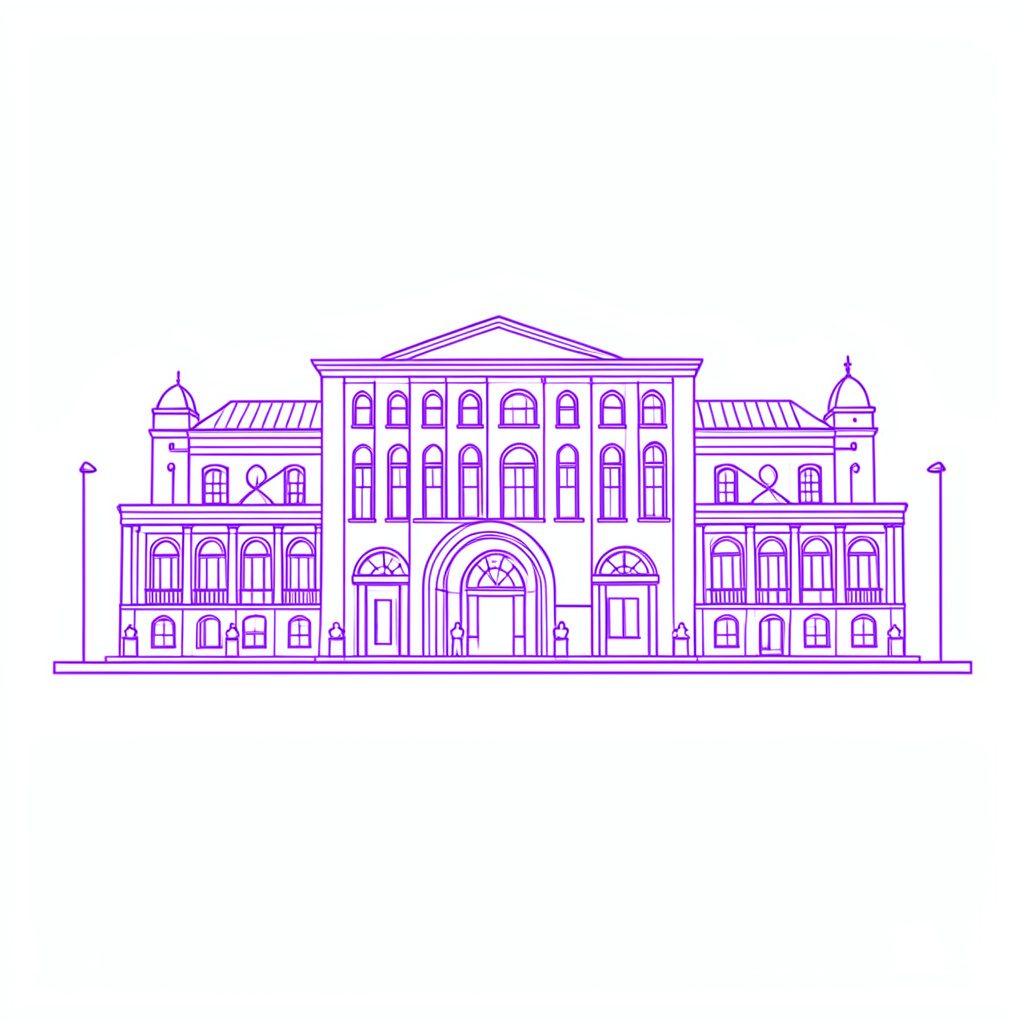
The National Quilt Museum sits in the river town of Paducah, Kentucky, a modest city that has become an unlikely pilgrimage site for textile artists from every continent. For more than three decades, this institution has gathered quilts that speak to American craft, social history, and contemporary art, drawing visitors who arrive expecting a quiet regional gallery and leave surprised by the ambition on the walls.
A recent conversation with the museum's director offered a window into how those exhibitions come together and why so many of them resonate far beyond the Mississippi River. From the beginning, the discussion returned to a single theme: quilts as living documents, stitched by hands that carry stories worth preserving for the next generation.
The director's path to Paducah
The director's own journey into the textile world began far from Kentucky, in a household where sewing was simply part of weekly life. She speaks of learning to thread a needle at her grandmother's knee and of the quiet pride that came from finishing a first small project, lessons that later shaped her curatorial eye. When she took the helm of the National Quilt Museum, she inherited a collection that already commanded attention, yet she wanted to push the institution toward broader audiences.
That meant rethinking the visitor experience, expanding travelling exhibitions, and investing in scholarship that treats quilts as primary sources. Her approach echoes the thinking behind many regional museums in Australia, where institutions in Adelaide and regional Victoria have similarly repositioned craft collections as engines of cultural exchange rather than static displays behind glass.
Building exhibitions that travel and teach
Curating at the National Quilt Museum is rarely a solitary act. The director describes a process built on collaboration with quilt artists, historians, and conservators who help translate complex themes into something a first-time visitor can grasp. One recent show explored the migration patterns of nineteenth-century settlers, using period textiles to trace how needlework travelled across oceans and evolved in new climates.
That same instinct for storytelling shapes the museum's travelling trunks and educational kits, which have reached schools and guilds from Hobart to Perth. Australian educators have long borrowed from American pedagogical models, and the museum's willingness to package content for the road has made its materials particularly welcome in remote learning settings where access to major galleries can be limited.
Connections across the Pacific
Quilters in Australia and the United States share more than technique. Wool traditions from the Flinders Ranges, convict-era patchwork preserved in Tasmanian archives, and the bold geometric work of contemporary Sydney makers all sit comfortably in dialogue with American styles. The director mentions that her inbox fills regularly with inquiries from Australian quilt guilds, particularly those preparing for the Sydney Quilt Show or the Melbourne Craft and Quilt Fair, two of the Southern Hemisphere's most significant textile events.
She has begun exploring reciprocal loans and digital partnerships, ideas that could see Australian quilts featured in Paducah while American pieces travel to the Powerhouse Museum in Sydney. Such exchanges are not new in the museum world, but the pace has quickened as virtual galleries and high-resolution photography remove old barriers to access, letting curators study stitching detail that the naked eye would miss in person.
Education, grants, and the digital archive
Funding remains the perennial challenge, and the director is candid about the patchwork of grants, donations, and earned income that keeps the lights on. She points to federal arts funding, private foundations, and the generosity of individual quilters who donate finished works or fund acquisitions. The museum's digital archive, which catalogues thousands of quilts with conservation notes and artist interviews, has become its most quietly powerful tool.
For Australian researchers, this archive offers a depth of material rarely accessible in one place. Universities in Brisbane and Melbourne have already drawn on it for studies into women's labour history and the economics of the home textile industry. The director hopes to expand metadata tags so the collection can be cross-referenced with holdings at the National Wool Museum in Geelong and similar institutions, building a richer shared resource for textile scholarship worldwide.
The road ahead
Looking forward, the director wants to deepen the museum's commitment to living makers. Plans are under way for a residency program that would invite international artists, including several from Australia, to spend weeks working in Paducah and exhibiting the results. There is also talk of a youth-focused initiative that pairs school students with master quilters via video link, a project that feels especially suited to a country as vast as Australia, where distance often separates students from cultural centres.
She is quick to note that none of this work happens in isolation. Every quilt on the wall is the product of community, whether that community is a small Kentucky guild or a group of friends stitching together in a Brisbane suburb. That conviction, more than any single exhibition, seems to be the thread running through the museum's next chapter.
Ways to bring the quilt world home
- Subscribe to the museum's newsletter for early access to exhibition openings and travelling trunk schedules.
- Visit the National Quilt Museum in Paducah during the annual spring show, when the city hosts a week of textile events.
- Join an Australian quilt guild, such as The Quilters' Guild of Australia, to connect with makers in your region.
- Explore digital archives before travelling so you can plan focused visits to specific galleries.
- Support textile education by donating to school programs that introduce children to hand stitching.
- Consider purchasing a catalogue or pattern book from a specialty shop to build your own reference library at home.
Readers eager to deepen their engagement with textile arts can explore publications, gifts, and exhibition merchandise through the specialty shop, where every purchase helps sustain independent museum programming. Plan a visit to Paducah, mark the next Sydney Quilt Show on the calendar, and let the stitched stories of two continents find a place in your own home.